What does trauma mean? How is it different from deep emotional states clients might experience during sessions? Why does body psychotherapy can offer such an effective way of working with it? How does the Hakomi Method, as a mindfulness-based somatic model, look at trauma? What underlying attitude does it encourage the therapist to have? And what tools does it provide? How does it dialogue with other disciplines, such as Neuroscience or Stephen Porges’ Polyvagal Theory?
Join extraordinary Hakomi trainers, Gregory Gaiser and Jaci Hull to understand trauma through this miniseries from the perspective of the Hakomi Method. Expand your tools in an engaging, compassionate, and kind environment where learning is fun and transformative!

Gregory Gaiser is a Pastoral Counselor offering spiritual direction work and has served as the Lead Trainer for Hakomi Southwest since 2010. He has also served as an associate instructor with both the Right Use of Power Institute (devoted to ethics with heart) and the Matrix Leadership Institute (devoted to group work and developing a sense of community in all group settings). He first studied Hakomi in 1983 with founder Ron Kurtz, Pat Ogden, and Phil Del Prince. He worked with Dr. Ogden for many years at the beginning of the development of her work – first called Hakomi Bodywork and then later on called Hakomi Integrative Somatics. He trained in Somatic Experiencing in the early 1990s and again in 2010. Gregory was on the faculty of the Boulder College of Massage Therapy teaching various courses emphasizing the body-mind-spirit connection. While there Gregory co-developed with Amber Elizabeth Gray, a graduate level course entitled Trauma And The Body, which offered skillful, attuned bodywork to trauma survivors including families of Columbine High School and survivors of the Bosnian War.

Jaci Hull, M.A., L.M.F.T., has been leading Hakomi Comprehensive Trainings and workshops throughout the U.S. and Canada since 1996 and has trained hundreds of students in the Hakomi Method. She serves on the Hakomi Institute Board of Directors and is a co-developer of Experiential Couples Psychotherapy. She has served as as faculty for the Somatic Psychology M.A. program at Naropa University and for the Sensorimotor Psychotherapy Institute. She received her degree in Contemplative Psychotherapy from Naropa University in 1997. Her post-graduate training includes Family Therapy, EMDR II, Somatic Trauma Resolution, Brainspotting, Group Leadership Training and she is a Certified Relational Life Therapist.

Valentina Iadeluca is a psychologist, somatic psychotherapist, Italy’s first certified Hakomi Therapist and Trainer, MBSR instructor, and EABP full member. Valentina recently completed a Mindful Relationship Sex Therapy Program and is now a Passion and Presence® Practitioner. She is also a published author and Executive Co-Director at Hakomi Mallorca.
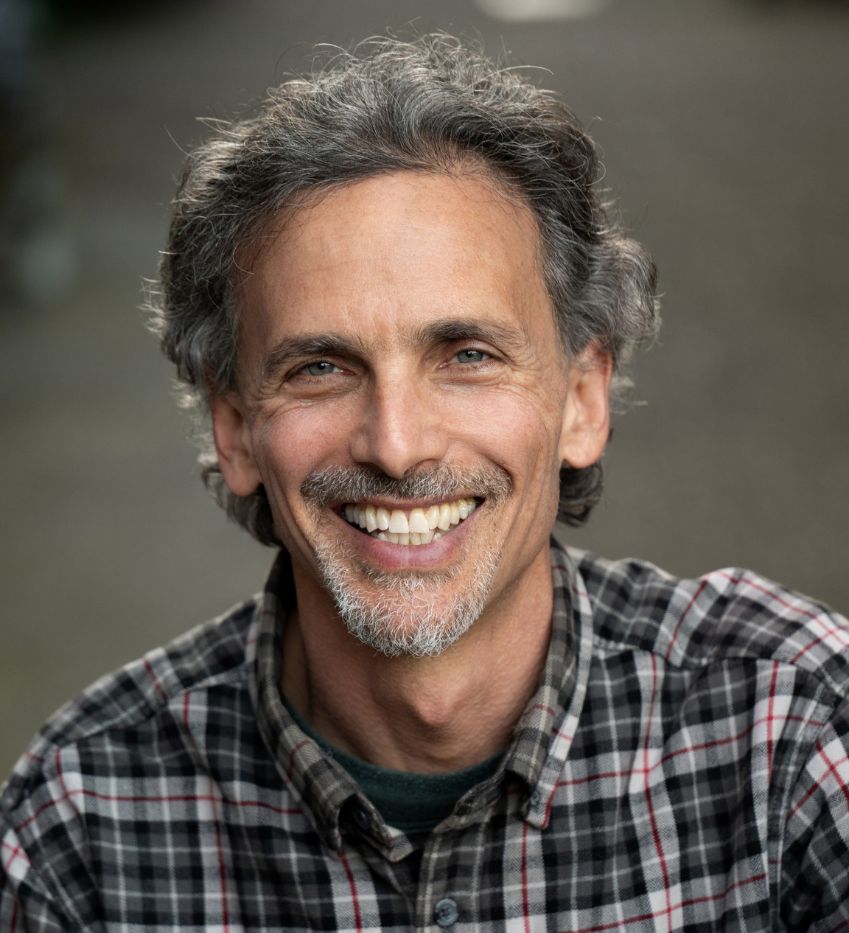
Shai Lavie, M.A., M.F.T., is a Certified Hakomi Therapist and Trainer with a private practice in San Anselmo, California. He is also certified in Somatic Experiencing for trauma treatment. Shai has served as an adjunct professor at Sofia University and taught at the California Institute of Integral Studies and JFK University. He teaches mindfulness-based psychotherapy and trauma resolution for various agencies and conferences.
The first session will provide an introductory overview of trauma work and Hakomi. All subsequent sessions will focus on specific aspects relevant to the theme of the mini-series with related learning goals.
Classes will be 3 hours long and will be held at the following time for each session:
CET 5.30 – 8.30 pm (with a 20 minutes break within)
PST 8.30 – 11.30 am
MST 9.30-12.30 pm
EST 11.30 -2.30 pm
Keep reading for the detailed curriculum of each session!
In this session we will look at both the benefits and shortcomings of the Hakomi method in regards to trauma resolution.
In this session we will review Stephen Porges' Polyvagal Theory and how to track for changes in the nervous system that indicate traumatic activation. We will practice somatic and relational techniques that support the return to safety and connection. This will dovetail well with the introduction of Resourcing (Levine, Ogden, et al) where the therapist contacts and accesses specific resources that somatically and neurologically support the presence of the client and therapist throughout the trauma session.
In this session we will look more specifically at client experience during traumatic activation and how to help clients avoid overwhelm and dissociation.
In this session we will offer a theoretical overview of Complex Trauma and experiment with tools to help the therapist embody—through the Hakomi Loving Presence—a felt sense of being a secure base for the client. When the therapist is grounded in this state, the client experiences relational safety that allows mindful exploration of automatic patterns around closeness and distance and the possibility of re-wiring toward trust and openness. The bodies of both therapist and client are central to a dance in which the therapist supports shifts from dysregulation to regulation and, possibly, toward aware, enjoyable co-regulation.
This session explores boundary breaches as a central theme in CPTSD treatment. We’ll examine the courage required to be open, compassionate, and authentic when clients disclose difficult relational material. Participants will learn to recognise and track subtle ruptures in the therapeutic bond and practice skilful, compassionate responses that turn breaches into opportunities for healing. Finally, we’ll highlight ways to strengthen the therapist’s presence as a stabilising anchor for growth.
In this session we will discuss the importance and qualities of the Integration Stage when working through trauma. We will discuss the physical, psychological and spiritual aspects of recovery and the return to safety and stability. We will discuss the ethics of trauma work for the Hakomi therapist and practitioner and when and how to refer. And we will have some open time for students to connect with each other, reflect on how this series has impacted their lives and practices, and co-create the completion of our time together.
WISEDAY Seminars S.L.
CAIXA BANK IBAN: ES66 2100 7293 5413 0010 1102
BIC: CAIXESBBXXX
You will receive the video of a Hakomi Mallorca workshop with Julia Corley and Valentina Iadeluca, that includes live commentary on a recorded session offered by one of Hakomi’s founder and Hakomi Mallorca’s Founder and Faculty Member Halko Weiss!